
Introduction
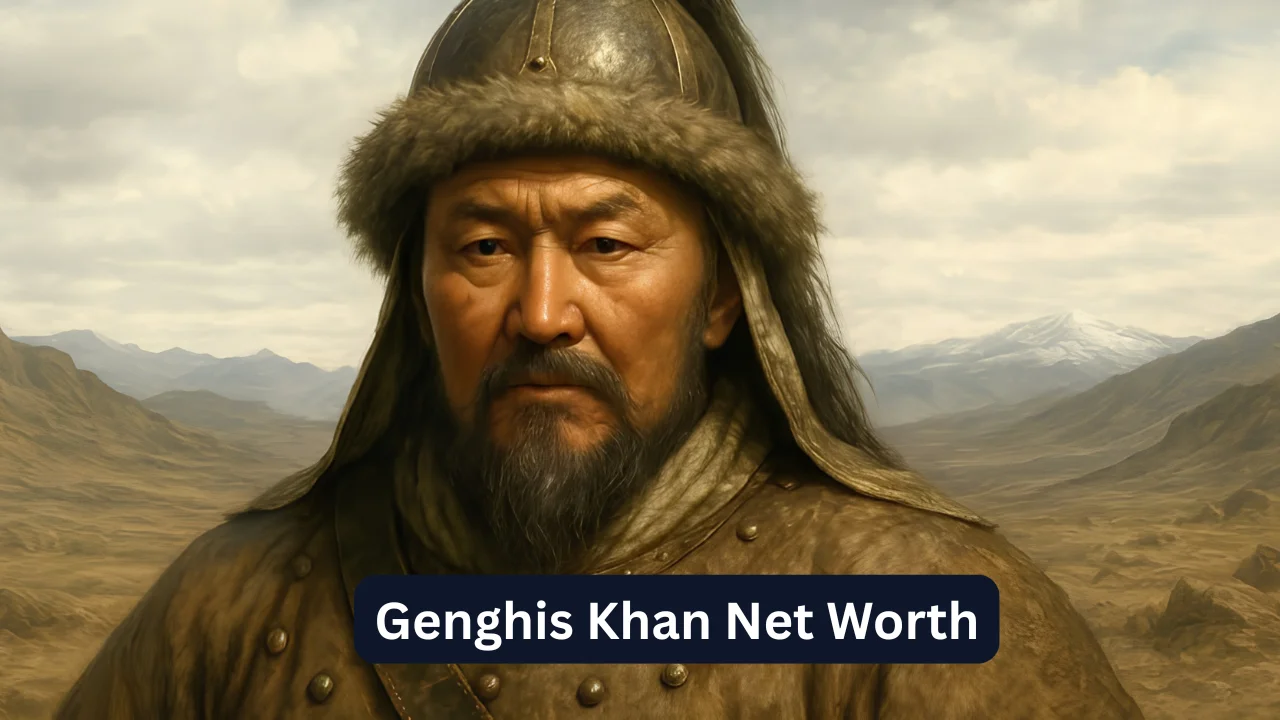
Genghis Khan net worth remains one of the most fascinating topics in world history. Unlike modern billionaires, he did not own companies, stocks, or bank accounts. Instead, his wealth came from controlling vast territories, trade routes, and resources across Asia and Europe. Historians estimate that the economic value of the lands under his rule would equal hundreds of trillions of dollars today.
Born as Temüjin around 1162, Genghis Khan founded the Mongol Empire and changed the course of civilization. He united rival tribes and established the largest contiguous land empire in recorded history. His influence extended beyond military conquest and helped shape trade, governance, and cultural exchange for centuries.
Who Is Genghis Khan?
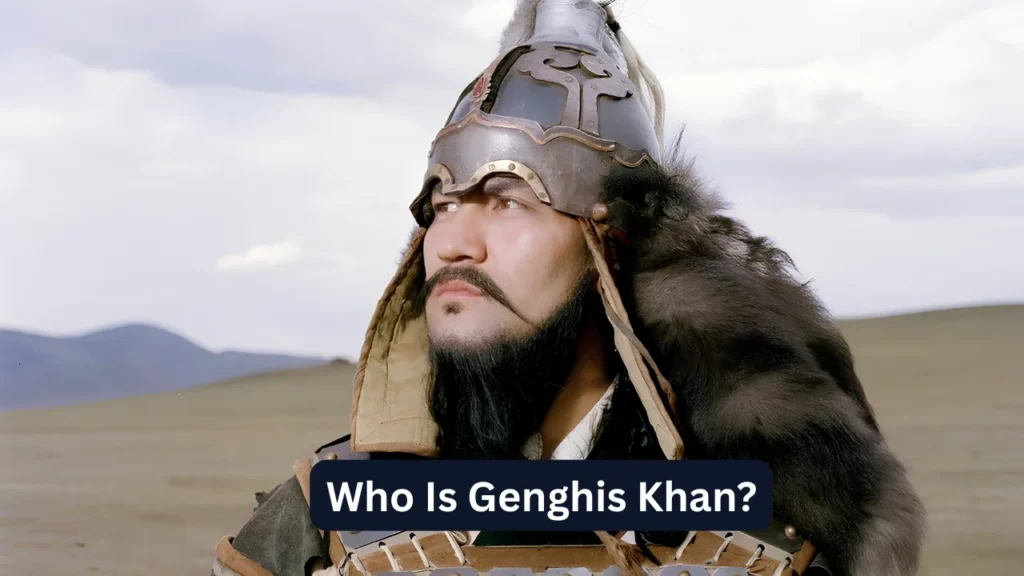
Genghis Khan was a Mongolian military leader and statesman who founded the Mongol Empire in 1206. He transformed scattered nomadic tribes into a disciplined military force and conquered large parts of Asia. His leadership style and military strategies continue to be studied by historians across the world.
He introduced important reforms, including merit-based promotions and religious tolerance. These policies helped maintain order across his growing empire. Today, he remains one of the most influential figures in global history.
| Detail | Information |
| Full Name | Temüjin (Genghis Khan) |
| Known As | Founder of the Mongol Empire |
| Born | c. 1162 |
| Died | August 1227 |
| Nationality | Mongolian |
| Occupation | Emperor, Military Commander |
| Empire Founded | Mongol Empire (1206) |
Also Read: James Gandolfini Net Worth
How Did Genghis Khan Become Famous?
Genghis Khan became famous after uniting the Mongol tribes through warfare, diplomacy, and strategic alliances. In 1206, tribal leaders officially proclaimed him “Genghis Khan,” which is often translated as “Universal Ruler.” This event marked the beginning of one of the most powerful empires in history.
His armies relied on speed, discipline, and advanced military tactics. These advantages allowed him to defeat larger opponents across China, Central Asia, and neighboring regions. As a result, his name became known throughout Eurasia during his lifetime.
| Milestone | Significance |
| 1206 | Named Genghis Khan |
| 1211 | Began invasion of Jin Dynasty |
| 1219 | Conquered Khwarazmian Empire |
| 1227 | Empire stretched across Asia |
What Is Genghis Khan Doing Now?
Genghis Khan died in 1227 during his campaign against the Western Xia dynasty. Although he is no longer alive, his legacy continues through historical research, documentaries, museums, and educational institutions. Scholars regularly examine his contributions to military strategy and governance.
His life story remains relevant in discussions about leadership and empire-building. Many experts consider him one of the most impactful leaders in human history. His achievements continue to influence historical studies around the world.
| Status | Information |
| Current Status | Deceased |
| Year of Death | 1227 |
| Legacy | Historical figure studied globally |
| Modern Influence | Military history, leadership studies |
Where Does Genghis Khan Live Now?
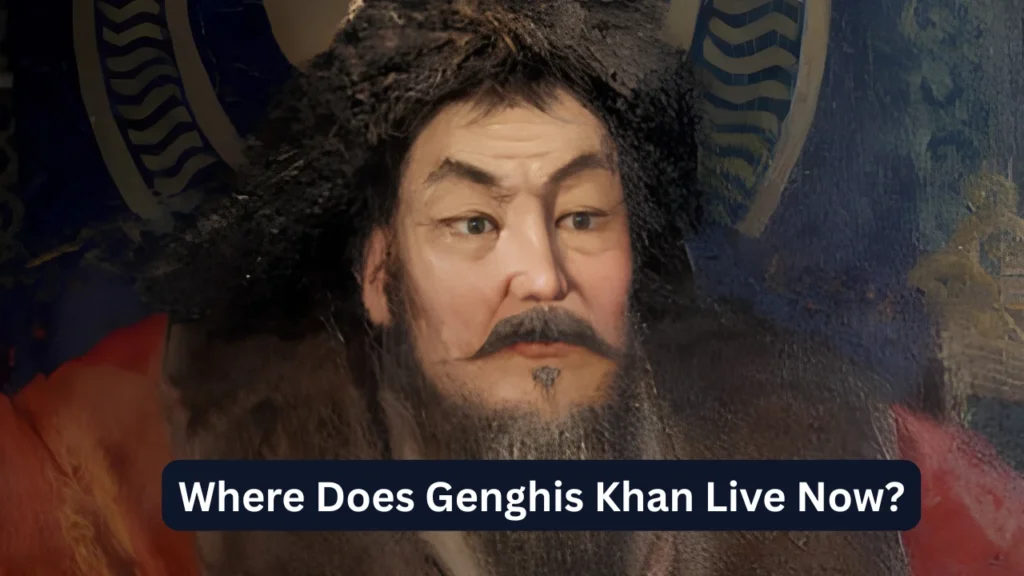
Since Genghis Khan passed away nearly 800 years ago, he does not have a present-day residence. Historical records indicate that he died during the Western Xia campaign in 1227. However, the exact location of his tomb remains unknown to this day.
Archaeologists and historians have searched for his burial site for decades without success. The mystery surrounding his final resting place continues to attract public interest. Mongolia honors him as a national symbol and celebrates his enduring legacy.
| Detail | Information |
| Place of Death | Xingqing, Western Xia |
| Burial Site | Unknown |
| Tomb Status | Never discovered |
| Country Associated | Mongolia |
Genghis Khan Net Worth
Estimating Genghis Khan net worth is challenging because modern financial systems did not exist during his lifetime. Nevertheless, historians agree that the Mongol Empire controlled enormous wealth through taxation, tribute, trade, and territorial expansion. In modern terms, some estimates place his economic influence in the hundreds of trillions of dollars.
Unlike today’s billionaires, Genghis Khan reportedly shared much of the empire’s wealth among his military leaders and subjects. His administration strengthened trade across the Silk Road and connected major civilizations. These achievements continue to drive interest in Genghis Khan net worth among readers worldwide.
The topic of Genghis Khan net worth focuses more on economic influence than personal ownership. At its peak, the Mongol Empire covered millions of square miles and connected East and West. This remarkable scale makes him one of the wealthiest figures in history by influence and control.
| Category | Estimated Value |
| Personal Net Worth | Not Applicable |
| Economic Influence | Estimated in hundreds of trillions (modern equivalent) |
| Empire Size | Largest contiguous land empire |
| Wealth Ranking | Often cited among history’s wealthiest figures |
Also Read: Shannon Elizabeth Net Worth
Financial Growth Timeline
Historical figures did not maintain financial statements, but historians can track the growth of Genghis Khan’s empire through major events. Every successful campaign increased his influence and expanded access to resources. His rise from poverty to global prominence remains one of history’s greatest success stories.
By the end of his life, his empire had become a major economic and political power. Trade routes flourished, and conquered territories provided taxes and valuable resources. This steady growth explains why discussions surrounding Genghis Khan net worth continue in modern times.
| Year | Milestone |
| 1162 | Born as Temüjin |
| 1206 | Founded Mongol Empire |
| 1215 | Captured Zhongdu (Beijing) |
| 1219–1221 | Conquered Central Asia |
| 1227 | Died during Western Xia campaign |
Key Earning Streams
The wealth associated with Genghis Khan net worth came from several sources that supported the Mongol Empire. His administration collected taxes from conquered regions and received tribute from neighboring states. Trade also expanded significantly under Mongol rule, especially along the Silk Road.
Military victories brought valuable resources, livestock, and strategic territories under his control. Agricultural taxes and commercial activity added to the empire’s prosperity. Together, these revenue streams helped create one of the wealthiest empires in history.
| Revenue Source | Description |
| Taxation | Levied across conquered territories |
| Tribute | Paid by subject states |
| Trade | Silk Road commerce |
| Military Expansion | Acquisition of resources |
| Agriculture | Taxes from conquered lands |
Comparison With Peers
When comparing historical conquerors, Genghis Khan stands apart because of the size and influence of his empire. While leaders such as Alexander the Great and Julius Caesar achieved remarkable success, none controlled a contiguous empire of similar scale.
Modern estimates suggest that his economic influence exceeded that of many historical rulers. This comparison helps explain why historians frequently include him in discussions about the wealthiest individuals in world history.
| Historical Figure | Estimated Modern Wealth Equivalent | Achievement |
| Genghis Khan | Hundreds of trillions | Mongol Empire |
| Alexander the Great | Trillions (estimated) | Macedonian Empire |
| Julius Caesar | Billions/Trillions (estimated) | Roman expansion |
| Timur (Tamerlane) | Significant historical wealth | Timurid Empire |
| Kublai Khan | Vast imperial wealth | Yuan Dynasty |
Career Highlights
Genghis Khan’s achievements transformed the political landscape of Eurasia. He united the Mongol tribes, established a powerful empire, and introduced administrative reforms that strengthened governance. His military campaigns changed world history and influenced future generations.
His accomplishments extended beyond conquest. He promoted communication networks, protected trade routes, and encouraged religious tolerance. These contributions remain important subjects in historical studies today.
| Achievement | Year |
| Unified Mongol Tribes | 1206 |
| Established Mongol Empire | 1206 |
| Defeated Jin Forces | 1211–1215 |
| Conquered Central Asia | 1219–1221 |
| Created Administrative Reforms | Throughout reign |
Also Read: Parker Stevenson Net Worth
Social Media Presence
Because Genghis Khan lived during the thirteenth century, he does not have official social media accounts. Nevertheless, his name remains highly popular online through educational content, documentaries, and historical discussions. Millions of people continue to learn about his life through digital platforms.
Many museums and history channels publish content about his achievements. His enduring popularity demonstrates the lasting impact of his legacy. However, there are no verified accounts associated with him.
| Platform | Presence |
| None | |
| None | |
| X (Twitter) | None |
| YouTube | None |
| TikTok | None |
Philanthropy
Modern philanthropy did not exist during Genghis Khan’s lifetime. However, he implemented policies that benefited people across his empire. He promoted merit-based appointments and allowed individuals to practice different religions freely.
His support for trade and communication helped improve economic conditions across Eurasia. These efforts encouraged cultural exchange between East and West. Many historians consider these policies an important part of his legacy.
| Initiative | Impact |
| Religious Tolerance | Encouraged diverse faiths |
| Meritocracy | Promoted talent over birth |
| Trade Support | Expanded Silk Road |
| Legal Reforms | Unified administration |
Biography
Genghis Khan was born into the Borjigin clan in the Khentii Mountains of Mongolia. After his father died, his family faced severe hardship and struggled to survive. These early challenges shaped his determination and leadership abilities.
Through alliances, military success, and political skill, Temüjin rose from poverty to become Genghis Khan. His descendants later expanded the Mongol Empire even further, making it one of the most influential empires in history.
| Biography Detail | Information |
| Birth Name | Temüjin |
| Clan | Borjigin |
| Birthplace | Khentii Mountains, Mongolia |
| Father | Yesugei |
| Mother | Hö’elün |
Age
Historical records indicate that Genghis Khan was born around 1162 and died in 1227. While scholars continue to debate the exact year of his birth, most agree that he lived for approximately sixty-five years.
His lifespan was remarkable considering the harsh conditions of the medieval world. During those years, he achieved accomplishments that continue to influence history centuries later.
| Detail | Information |
| Birth Year | c. 1162 |
| Death Year | 1227 |
| Age at Death | Approximately 65 |
Also Read: Tony Orlando Net Worth
Height
There are no reliable records describing the exact height of Genghis Khan. Historical accounts from his era focus more on his leadership qualities and military achievements than his physical appearance.
Most modern portrayals of Genghis Khan are based on artistic interpretations created long after his death. As a result, historians cannot confirm his actual height with certainty.
| Detail | Information |
| Height | Unknown |
| Verified Records | None |
Family
Genghis Khan came from a noble Mongolian lineage and built a large family. His principal wife, Börte, played an important role throughout his life and supported his rise to power. Together, they had four sons who later contributed to the expansion of the Mongol Empire.
Today, researchers believe millions of people may be descendants of Genghis Khan. Genetic studies have suggested that his lineage spread widely across Asia over several centuries.
| Family Member | Relationship |
| Yesugei | Father |
| Hö’elün | Mother |
| Börte | Principal Wife |
| Jochi | Son |
| Chagatai | Son |
| Ögedei | Son |
| Tolui | Son |
Also Read: Jackie Evancho Net Worth
Relationship
Genghis Khan married Börte at a young age, and she remained his chief wife throughout his reign. Historical sources indicate that he also had several additional wives and concubines, which was common among rulers during that period.
His relationships helped strengthen alliances among Mongolian tribes and neighboring groups. These political connections contributed to the stability and expansion of his empire.
| Relationship Detail | Information |
| Marital Status | Married |
| Chief Wife | Börte |
| Additional Wives | Yes |
| Children | Numerous |
Education
Genghis Khan likely did not receive formal education and is believed to have been illiterate. Despite this, he understood the importance of knowledge and relied on scholars and advisors from different cultures.
He encouraged capable individuals to serve in his administration regardless of their background. This approach allowed the Mongol Empire to benefit from diverse expertise and effective governance.
| Detail | Information |
| Formal Education | None |
| Literacy | Likely illiterate |
| Administrative Learning | Through advisors and scholars |
Frequently Asked Questions
Was Genghis Khan the richest person in history?
Many historians believe he was among the wealthiest people in history when measured by economic influence rather than personal assets.
How much is Genghis Khan net worth today?
There is no exact figure, but estimates suggest that the resources controlled by his empire would equal hundreds of trillions of dollars today.
How many descendants does Genghis Khan have?
Some genetic studies estimate that millions of people across Asia may share a common ancestor linked to Genghis Khan.
Why is Genghis Khan’s tomb still undiscovered?
Historical accounts suggest that his burial location was intentionally kept secret. No archaeological expedition has confirmed its location.
What made Genghis Khan a successful leader?
His success came from military innovation, strong leadership, merit-based promotions, and his ability to unite divided tribes.
Also Read: Suge Knight Net Worth
Conclusion
Genghis Khan remains one of the most influential and debated figures in world history. While assigning a precise financial value to his legacy is impossible, the scale of his empire places him among the wealthiest individuals ever by economic influence. The enduring interest in Genghis Khan net worth reflects his lasting impact on trade, governance, and civilization.
From uniting the Mongol tribes to establishing the largest contiguous land empire, his achievements continue to inspire historians and readers worldwide. More than eight centuries after his death, Genghis Khan’s story remains a powerful example of leadership, ambition, and historical significance.

Emily Parker is a curious writer who enjoys turning complex ideas into easy, enjoyable reads. She covers everything from lifestyle and entertainment to business and technology, with a focus on sharing helpful insights and meaningful stories with readers.